Long-Term Effects of Concussion and Recovery
Nov 13, 2025
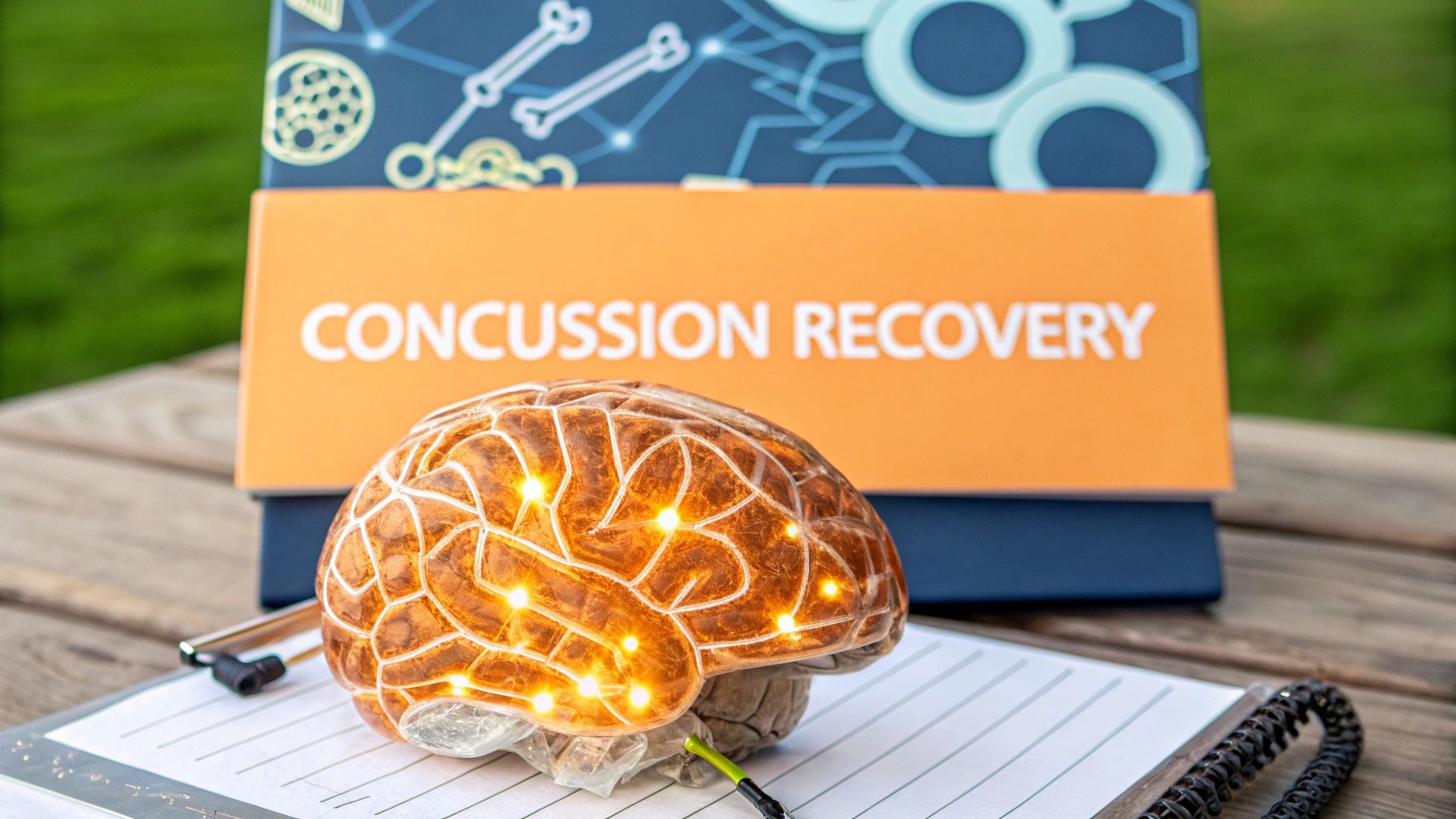
A concussion is much more than a temporary inconvenience. Its effects can ripple outwards for months, sometimes even years, creating stubborn challenges long after the initial injury. The long-term effects of concussion often show up as a frustrating mix of cognitive fog, emotional turbulence, and persistent physical symptoms—a condition commonly known as post-concussion syndrome.
These issues linger because a concussion isn't just a bump on the head. It's a significant neurological event that throws the brain's delicate communication network into disarray. This guide offers actionable insights and practical examples to help you navigate the path to recovery. For personalized guidance, visit our website or contact us to explore how our cognitive assessments can build your unique recovery roadmap.
Beyond the Initial Impact: Understanding Concussion

Imagine your brain as a bustling city's electrical grid, where billions of neurons fire signals along intricate, well-established pathways. A concussion acts like a massive power surge that washes over this entire grid. While it might not cause visible structural damage, it overloads the circuits, scrambling the connections and making communication between different parts of the brain sluggish and inefficient.
This disruption is the real root of many lasting symptoms. The brain, now forced to work much harder to reroute signals around these "damaged" circuits, burns through its energy reserves just to perform everyday tasks. This incredible effort is why so many people feel overwhelming fatigue and crippling brain fog.
The Primary Challenges of Post-Concussion Syndrome
The long-term fallout from a concussion generally settles into three main categories, each with a profound impact on daily life. Getting a handle on these challenges is the first real step toward managing them effectively.
Cognitive Difficulties: This bucket includes problems with memory, staying focused, and processing information. For example, a student who suddenly finds it impossible to follow a lecture or an office worker who can no longer juggle multiple tasks without feeling completely overwhelmed.
Emotional and Mood Changes: The injury can easily disrupt brain regions that regulate our emotions. This can lead to a spike in irritability, anxiety, or feelings of depression. A practical example is someone who becomes uncharacteristically short-tempered with loved ones, putting a real strain on relationships.
Persistent Physical Symptoms: Chronic headaches, dizziness, constant fatigue, and a frustrating sensitivity to light and sound are all too common. For instance, a simple trip to the grocery store can feel like a sensory assault, making it an unbearable experience.
The lasting symptoms of a concussion can be complex and deeply personal. Below is a table that breaks down how these long-term effects can impact different areas of your life.
| Key Areas Affected by Long-Term Concussion Symptoms |
| :--- | :--- | :--- |
| Affected Domain | Common Symptoms | Impact on Daily Life |
| Cognitive Function | Memory loss, brain fog, difficulty concentrating | Struggling at work or school, trouble with multi-tasking |
| Emotional Regulation | Irritability, anxiety, depression, mood swings | Strained relationships, social withdrawal, decreased enjoyment of life |
| Physical Health | Chronic headaches, dizziness, fatigue, sleep disturbances | Reduced ability to exercise, difficulty with daily chores, constant discomfort |
| Sensory Processing | Sensitivity to light and sound | Avoidance of social gatherings, difficulty in busy environments |
Understanding these domains helps to see that post-concussion syndrome isn't just one thing; it's a collection of interconnected challenges that require a comprehensive approach to manage.
A concussion fundamentally alters how the brain manages energy and processes information. Suboptimal signaling forces the brain to take less efficient "detour routes" to complete tasks, leading to the exhaustion and cognitive strain that define post-concussion syndrome.
Recognizing these symptoms for what they are is crucial. Studies show that up to 30% of people who get a concussion may go on to develop lasting symptoms. If you think you or someone you care about is dealing with these lingering issues, the first step is to identify them clearly.
Exploring a detailed concussion symptom questionnaire can help you better understand what you are experiencing. The journey to recovery starts by acknowledging that a concussion is a serious event with the potential for lasting consequences, which empowers you to seek the right support and strategies.
How Concussions Affect Your Thinking and Memory
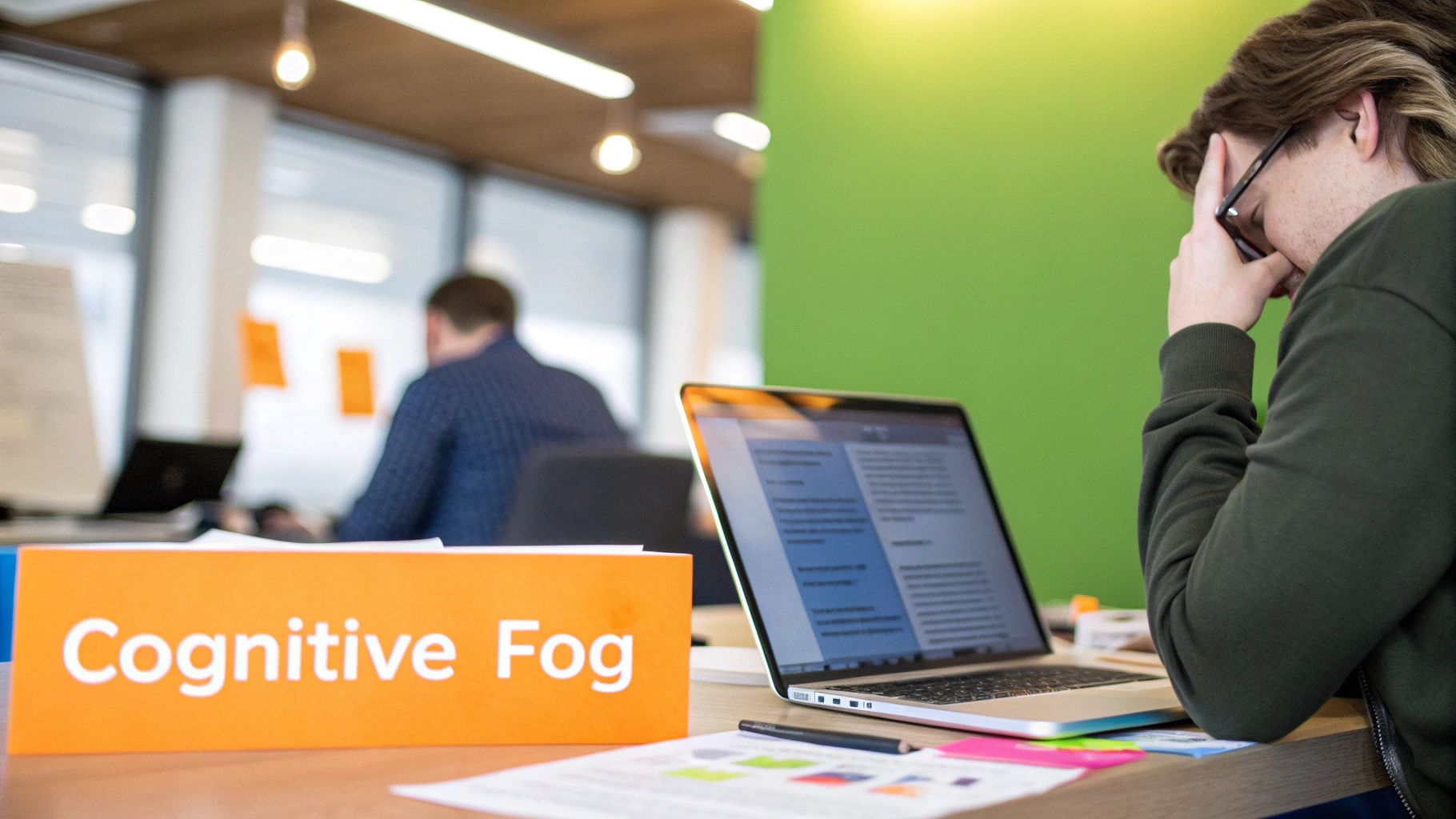
One of the most unsettling and persistent effects of a concussion is the cognitive fog that can roll in, turning everyday mental tasks into uphill battles. This isn't just about feeling a little "off." It’s a profound shift in how your brain processes information, often leading to frustrating memory lapses, difficulty concentrating, and a noticeable drop in thinking speed.
For example, think of an office worker who used to juggle multiple projects with ease, but now struggles to draft a simple email while on the phone. Or a student who once absorbed lectures effortlessly, now finding they have to reread the same paragraph again and again for the information to stick. These aren't abstract concepts; they are real, tangible struggles people face after a head injury.
What's happening behind the scenes? The injury has disrupted the brain's complex network of neural pathways. Your brain is forced to work much harder, taking inefficient "detour" routes to send messages, which quickly drains your mental energy and slows everything down.
Understanding Cognitive Reserve and Brain Fog
This is where the idea of cognitive reserve comes into play. You can think of it as your brain’s built-in backup generator or mental resilience. A strong cognitive reserve, often built up over a lifetime of learning and engaging in stimulating activities, helps your brain better withstand damage by finding alternate ways to get a job done.
After a concussion, however, this reserve gets depleted fast as the brain works overtime to compensate for the injury. The "brain fog" you feel is a direct result of this massive energy drain and inefficient signalling. It’s that feeling of moving through mental molasses—focus is fleeting and thoughts are hard to pin down.
A study from UC San Francisco really brings this home. Researchers found that one year after their injury, a staggering 13.5% of concussion patients—that’s about 1 in 7—had a "poor cognitive outcome," like lasting memory loss or slowed thinking. This shows that for a significant number of people, the cognitive impact of a concussion can seriously disrupt their daily lives. You can read the full research about these concussion findings for a deeper dive into the data.
This isn’t just a feeling; it’s a measurable reality. The brain is actively struggling, which sets off a cascade of cognitive symptoms.
Actionable Steps for Managing Cognitive Symptoms
While the experience is deeply frustrating, there are practical, actionable steps you can take to manage these cognitive issues and support your brain's recovery. The goal is a balanced approach—one that respects the brain's need to heal while gently re-engaging its functions. A patient, structured strategy always wins out over trying to just "push through" the fog.
Key Management Strategies:
Initial Cognitive Rest: Right after an injury, your brain needs a break. This means scaling back on mentally demanding activities—think less intensive work, complex problem-solving, and even prolonged screen time—to let the initial inflammation go down. An actionable tip: Set a 20-minute timer for tasks requiring focus, then take a 10-minute break in a quiet, dimly lit room.
Structured, Gradual Return to Activity: Once the initial rest period is over, it’s all about slowly and steadily reintroducing cognitive tasks. This isn't about jumping back into your old routine; it's about taking small, manageable steps forward.
Prioritize and Simplify Tasks: Break down large projects into smaller, single-focus steps. Get comfortable using lists, calendars, and phone reminders to take some of the load off your memory. For example, instead of a to-do list that says "clean the kitchen," break it down into "unload dishwasher," "wipe counters," and "take out trash."
Create a Low-Distraction Environment: When you really need to concentrate, do what you can to minimize noise and visual clutter. This helps your brain focus its limited energy on the task at hand instead of wasting it on filtering out distractions.
Monitoring your progress is a crucial piece of the puzzle. The first step toward targeted improvement is understanding your specific cognitive strengths and weaknesses. Professional cognitive assessments can offer objective data on areas like memory, attention, and processing speed, giving you a clear baseline to track your recovery journey.
Navigating Mood Swings and Emotional Changes
When we think about concussion recovery, we often focus on the physical pain or the cognitive fog. But the long-term effects can reach much deeper, right into our emotional core. It's incredibly common for someone recovering from a concussion to experience sudden mood swings, a short fuse, or a persistent feeling of anxiety that feels completely foreign.
These emotional shifts aren't a sign of weakness or a personality flaw—they are a direct consequence of the brain injury itself.
A relatable example: think of a parent who has always been calm and patient. After their injury, they suddenly find themselves snapping at their kids over something small. This isn't who they are; it's a symptom. The injury has essentially damaged the brain's emotional thermostat, making it impossible to maintain a steady, predictable temperature.
This disruption often comes down to the frontal lobe, which acts as the brain’s executive control panel. This part of your brain is in charge of managing impulses, keeping emotions in check, and guiding how we interact with others. When it’s compromised, the brain’s ability to filter emotional responses is weakened. The result? Reactions that feel overwhelming and unpredictable, both for the person experiencing them and for their loved ones.
Why Emotional Control Becomes a Struggle
After a concussion, the brain is working overtime just to handle basic functions. This leaves far fewer resources for the complex job of managing emotions. This strain shows up in ways that can put a real dent in personal and professional relationships.
Increased Irritability: Small frustrations that you would have easily brushed off before can now trigger intense anger or agitation.
Anxiety and Worry: A constant sense of unease or even panic can creep in, even in situations that feel safe and familiar.
Depressive Symptoms: It's common to feel a lingering sadness, hopelessness, or a complete loss of interest in activities you once loved.
Sudden Mood Swings: You might shift from happy to sad or angry in a heartbeat, with little to no warning, leaving everyone confused.
Living with these changes can feel isolating, but understanding their neurological roots is the first step toward getting back in the driver's seat. It reframes the problem from a personal failing to a medical symptom that requires care and a solid management plan.
The emotional volatility following a concussion is a biological response to injury. The brain's "emotional brakes" in the frontal lobe are temporarily offline, making it much harder to manage feelings that would normally be kept in check.
When families and friends understand this, they can offer empathy instead of judgment, which is absolutely critical for healing.
Actionable Strategies for Rebuilding Emotional Stability
The path back to emotional balance can feel long, but there are practical, actionable steps that survivors and their families can take. The goal is to reduce the brain's overall workload and gently guide it back toward stable functioning.
1. Create a Low-Stress Environment Your brain is already overtaxed, so minimizing external stressors is huge. This means cutting down on sensory overload—dim the lights, turn down the volume, and steer clear of crowded places when you’re feeling overwhelmed. A practical example: choose a quiet café for a chat with a friend instead of a loud, bustling restaurant.
2. Practice Mindfulness and Breathing Simple mindfulness techniques can be a lifeline for a frayed nervous system. When you feel a wave of anxiety or anger building, try a grounding exercise. Just focus on your breathing: inhale slowly for a count of four, hold for four, and then exhale for a count of six. This simple act can interrupt the stress response and give your frontal lobe a moment to catch up.
3. Recognize Triggers and Plan Ahead Start paying attention to what sets off your emotional responses. Is it fatigue? A noisy room? For many people, symptoms get much worse when they're tired or overwhelmed. If you know that an afternoon meeting always leaves you drained, plan for a 15-minute quiet break right after to decompress.
4. Seek Professional Support You don't have to navigate this alone. In fact, working with a professional is a sign of strength. Specialized cognitive therapies can provide structured strategies to help retrain the brain's emotional regulation pathways. A good therapist or counsellor also provides a safe space to work through the frustration and grief that so often come with a brain injury.
Managing Persistent Physical Symptoms
While the cognitive fog and emotional swings are tough, it’s often the relentless physical symptoms that can make life after a concussion feel unbearable. These aren't just minor aches and pains. We're talking about chronic, nagging issues like splitting headaches, constant dizziness, and a bone-deep fatigue that can completely derail your day.
For many, the world transforms into a sensory minefield.
Here's a practical example: Imagine trying to do something as simple as your weekly grocery shopping. But now, the bright fluorescent lights feel like lasers burning your eyes. The chaotic mix of beeping scanners, squeaky carts, and overlapping chatter sounds like a deafening roar. Suddenly, you're hit with a wave of dizziness and a pounding headache, forcing you to abandon your cart and just get out of there. A routine chore has become a painful, overwhelming ordeal.
This isn’t you being dramatic; it’s a very real physiological response to a brain injury. Many of these symptoms come from a disruption to your body's sensory processing centres, especially the vestibular system, which is in charge of your balance and sense of where you are in space. When this system is thrown off-kilter, your brain gets confused by the signals coming from your eyes and inner ear, leading to that awful dizziness, vertigo, and nausea.
Creating a Symptom Management Toolkit
The first step to regaining a sense of control is to have a plan. You can’t always predict or avoid triggers, but you can be prepared for them. Putting together a "symptom toolkit" is a fantastic, proactive step that lets you manage sensory overload when you're out and about.
Noise-Cancelling Headphones: These are a must-have for navigating loud places like public transit, cafes, or busy offices. They do more than just muffle sound—they create a small bubble of calm that can stop a headache in its tracks.
High-Quality Sunglasses: If you struggle with light sensitivity (photophobia), a good pair of polarized sunglasses can make a bright, sunny day feel manageable again. Don't be afraid to wear them indoors in places with harsh lighting, like big-box stores.
A Simple Planner: When fatigue and brain fog roll in, even trying to remember what you need to do can be exhausting. A planner takes that mental load off your plate, helping you save your precious cognitive energy for what really matters.
The goal isn't to hide from the world. It's to give yourself the tools you need to engage with it on your own terms. This proactive approach can do wonders for reducing the anxiety that comes from just waiting for the next trigger to hit.
Think of these tools as your first line of defence. They allow you to step in and manage symptoms before they become completely overwhelming, shifting you from a passive victim of your concussion to an active manager of your recovery.
Implementing Practical Management Strategies
Beyond your toolkit, a few key strategies can make a massive difference in the daily struggle with physical symptoms. These are all about learning to work with your brain's current limits, not fighting against them.
Energy Conservation: You might hear this called "pacing." The idea is simple: treat your energy like a budget that you can't overspend. Instead of pushing yourself until you crash, you alternate between activity and rest. For instance, if cleaning the kitchen feels like a monumental task, break it down. Unload the dishwasher, then sit and rest for 20 minutes before you tackle the counters. This helps you avoid that vicious boom-and-bust cycle of doing too much and paying for it later.
Vestibular Rehabilitation Therapy (VRT): This is a specialized type of physiotherapy aimed directly at retraining your brain and vestibular system. A trained therapist will guide you through very specific eye, head, and body movements designed to help your brain re-learn how to process sensory information correctly. It's a targeted, evidence-based way to get to the root cause of dizziness and balance problems.
Sleep Hygiene: Fatigue is one of the most common and frustrating symptoms of post-concussion syndrome, which makes getting quality sleep absolutely essential for recovery. For a deeper dive, learn more about the crucial link between concussions and sleep to help you build a healthier routine. Even small changes, like having a consistent bedtime and avoiding screens before you turn in, can have a huge impact on your daily energy levels.
Long-Term Neurological Risks and Vulnerable Groups
When we talk about the long-term effects of a concussion, the conversation often centres on cognitive and emotional symptoms. But it's vital to look beyond those to understand the more serious neurological risks that can follow a brain injury.
These risks don't affect everyone equally. Certain groups, especially older adults, are far more vulnerable to a cascade of severe health problems after what might seem like a minor knock to the head. A single concussion can be the trigger that weakens the body's overall resilience, leaving it open to a host of subsequent health crises that might seem totally unrelated to the initial impact.
Simple, practical tools can be a huge help in managing sensory overload, a common long-term effect.
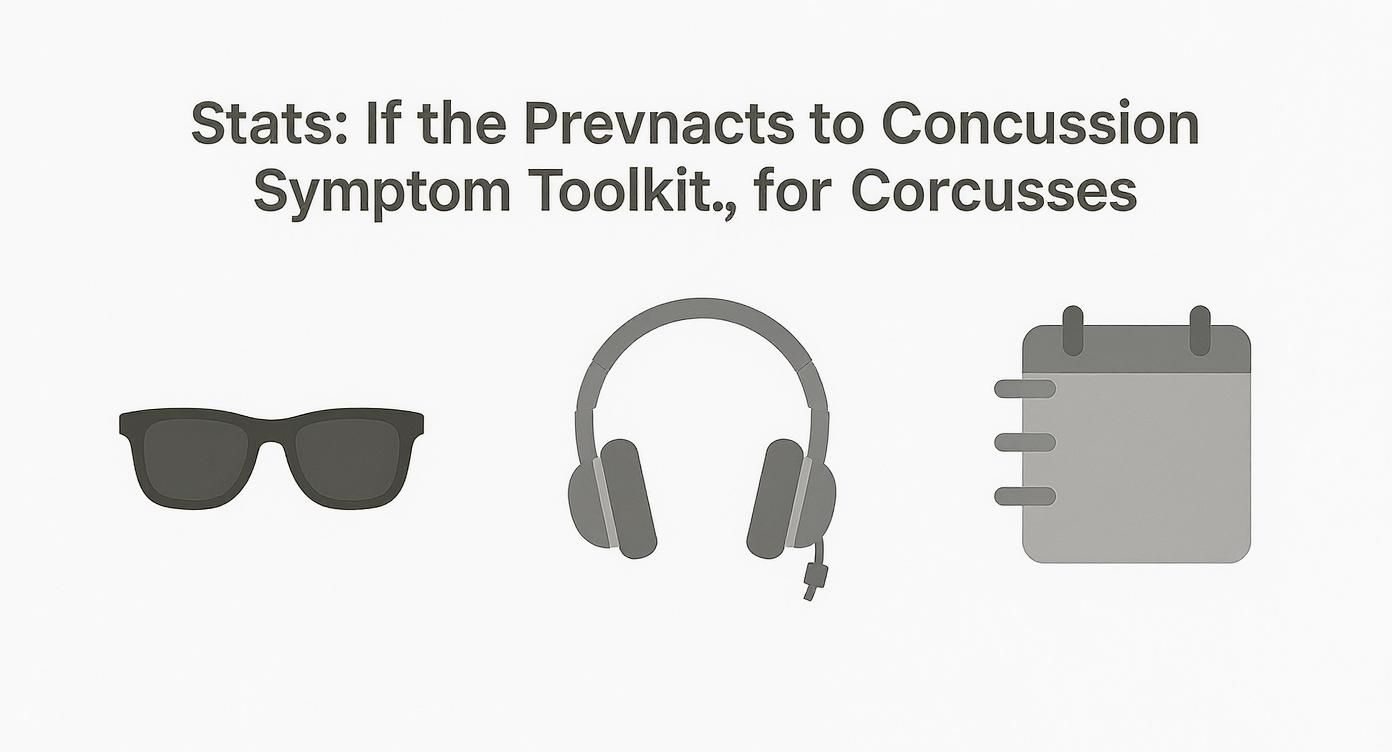
These tools help lighten the load on a recovering brain, making it easier to get through the day while conserving precious energy for healing.
The Connection Between TBI and Systemic Health Risks
The link between a traumatic brain injury (TBI) and future health issues is a serious one, particularly for our aging population. The reality is that a TBI can dramatically compromise a person's overall health and increase their vulnerability to other medical problems.
This is why proactive and thorough medical follow-up isn't just a good idea—it's essential. A concussion in an older adult should immediately signal the need for heightened monitoring for any signs of infection or other complications that could arise.
Identifying Vulnerable Populations and Their Needs
While older adults are certainly at high risk, they aren't the only ones. Several other groups face an increased vulnerability after a concussion and may need extra support to navigate the long-term effects.
Key Vulnerable Groups:
Older Adults: Age-related changes to the brain and a person’s general health can make recovery a much slower and more complicated journey. For them, a simple fall that results in a concussion can be the tipping point for a major decline in their independence.
Individuals with Pre-existing Conditions: Anyone with a history of migraines, mood disorders like depression or anxiety, or learning disabilities may find themselves dealing with more severe and drawn-out concussion symptoms.
People with a History of Multiple Concussions: Every concussion adds up. Each subsequent injury can have a cumulative effect, making the brain more susceptible to damage and slowing down the healing process with each new impact.
A concussion in a vulnerable person is much more than an isolated injury. It's a massive stressor that can worsen existing conditions and set off a chain reaction of new health challenges. For these individuals, a strong support system is absolutely critical to navigating recovery safely.
Understanding these risks isn’t about creating fear—it’s about encouraging vigilance. If you're concerned about the long-term neurological risks of a concussion, it’s worth looking into all available therapeutic options, like the potential benefits of hyperbaric oxygen therapy for brain health and cognitive function.
Early symptom identification and a proactive care plan can make all the difference. You can also deepen your understanding of how these injuries affect brain function by learning more about what is cognitive decline and its connection to brain trauma. At Orange Neurosciences, we are here to provide the insights and support you need. Contact us to learn how our assessments can help build a personalized roadmap for recovery and long-term brain health.
Your Roadmap for Concussion Recovery and Management

Trying to find your way after a concussion can feel like navigating without a map. It’s overwhelming, but you don't have to go it alone. The key to managing the long-term effects of concussion and getting your life back is a structured, well-rounded approach. The most successful recovery plans acknowledge the brain's complexity and bring in a team of experts to guide the healing process.
This usually means putting together a multidisciplinary care team to cover all the bases. A neurologist can keep an eye on your overall neurological health, while a physiotherapist—especially one trained in vestibular therapy—can tackle dizziness and balance issues. At the same time, a psychologist or counsellor offers vital support for the emotional and cognitive hurdles that are so common after a concussion.
Building Your Personalized Recovery Plan
A truly effective recovery plan is built on practical, everyday adjustments that give your brain the space it needs to heal. These lifestyle changes work by reducing the total load on your system, creating the best possible environment for recovery. It's also helpful to understand the typical traumatic brain injury recovery time to set realistic expectations for the journey ahead.
Your personalized plan should weave in strategies like these:
Improve Sleep Hygiene: Make quality sleep a non-negotiable priority. A consistent sleep schedule and a calming bedtime routine are fundamental for brain repair.
Adopt a Brain-Healthy Diet: Load up on anti-inflammatory foods packed with omega-3s, antioxidants, and vitamins. Think fatty fish, leafy greens, and berries.
Use Pacing Strategies: Imagine your energy is a bank account. You need to make careful withdrawals. For example, break down your tasks, both mental and physical, into smaller, more manageable pieces with built-in rest periods. This helps you avoid the dreaded "boom and bust" cycle where you overdo it one day and crash the next.
A successful concussion recovery plan isn’t about gritting your teeth and pushing through the pain. It’s about learning to listen to your body, respecting your brain’s new limits, and giving it the specific support it needs to heal properly and for the long haul.
Taking the First Step Toward Clarity and Control
Feeling in control of your recovery starts with understanding your own unique cognitive situation. The truth is, concussion symptoms and their long-term effects are different for everyone. This is precisely why a one-size-fits-all treatment plan so often misses the mark. A professional assessment is the essential first step in creating a plan that is truly personalized and effective for you.
Don’t let guesswork dictate your healing journey. Getting objective data about your cognitive function shines a light on the specific areas that need support. It takes the uncertainty out of the equation and replaces it with a clear, actionable path forward.
Are you ready to stop guessing and start healing? Visit our website to see how Orange Neurosciences provides the precise cognitive assessments needed to build your personalized recovery roadmap. Schedule a consultation today and take that first empowered step toward regaining control.
Frequently Asked Questions
The world of concussions, especially the long-term effects, is full of complexities and gray areas. It's natural to have questions. We've gathered some of the most common concerns we hear and answered them in a clear, straightforward way to help guide your recovery.
How Long Does Recovery From Post-Concussion Syndrome Take?
There's no single timeline; everyone's journey is different. Many people start feeling like themselves again within a few weeks. However, up to 30% of individuals find themselves dealing with lingering symptoms for months, or in some cases, even years. Factors like your age, your general health, and your history with previous concussions all weigh in.
A full recovery is absolutely within reach, but it almost never happens by just waiting it out. It demands an active, targeted approach. For example, a student battling brain fog won't get better by just "trying harder." They might need specific cognitive therapy to rebuild their focus, paired with vestibular therapy to fix an underlying dizziness issue that's been quietly draining their mental battery.
Can I Make a Full Recovery?
Yes, a complete recovery is a very realistic goal. But it hinges on getting the right kind of help. The brain has an incredible ability to heal and rewire itself—a process called neuroplasticity—but it needs the right kind of stimulation to get the job done properly.
Think of it this way: you wouldn't expect a broken leg to set correctly without a cast. A concussed brain is no different. It needs a structured rehabilitation program tailored to its specific struggles, which often means a blend of physical, cognitive, and vestibular therapies designed to retrain those damaged neural pathways and get things firing efficiently again.
When Should I Seek Further Medical Help?
If your symptoms aren't getting better after a few weeks, or if they take a sudden turn for the worse, it's time to seek more medical help. It's especially crucial to get a professional on board if your symptoms are getting in the way of your work, school, or just your day-to-day life.
If you catch yourself dodging social events because the noise is too much, or you're struggling to follow conversations that used to be easy, that's a huge red flag. It’s a clear sign you need a more targeted intervention. Don't just hope it goes away on its own.
Can Concussion Symptoms Appear Years Later?
It's not very common for brand new symptoms to just pop up years down the road. What's far more likely is that old, low-grade symptoms get worse over time. Your brain is a master of compensation, finding workarounds for an injury. But as we get older, our natural cognitive reserve starts to decline, and this can suddenly "unmask" those hidden problems from an old concussion.
A practical example: someone might have navigated minor memory issues for years without much trouble. But as they age, those small glitches can become much more obvious and disruptive. This is precisely why it’s so important to address the root cause of concussion symptoms early on, even if they seem minor at first.
The first step toward getting better is knowing exactly what you're up against. Orange Neurosciences offers rapid, objective cognitive assessments that cut through the confusion. We provide you and your care team with the precise data needed to build a personalized treatment plan that actually works. It's time to stop guessing and start your recovery with real clarity.
Learn more and schedule your assessment today at https://orangeneurosciences.ca.
Orange Neurosciences' Cognitive Skills Assessments (CSA) are intended as an aid for assessing the cognitive well-being of an individual. In a clinical setting, the CSA results (when interpreted by a qualified healthcare provider) may be used as an aid in determining whether further cognitive evaluation is needed. Orange Neurosciences' brain training programs are designed to promote and encourage overall cognitive health. Orange Neurosciences does not offer any medical diagnosis or treatment of any medical disease or condition. Orange Neurosciences products may also be used for research purposes for any range of cognition-related assessments. If used for research purposes, all use of the product must comply with the appropriate human subjects' procedures as they exist within the researcher's institution and will be the researcher's responsibility. All such human subject protections shall be under the provisions of all applicable sections of the Code of Federal Regulations.


© 2026 by Orange Neurosciences Corporation